
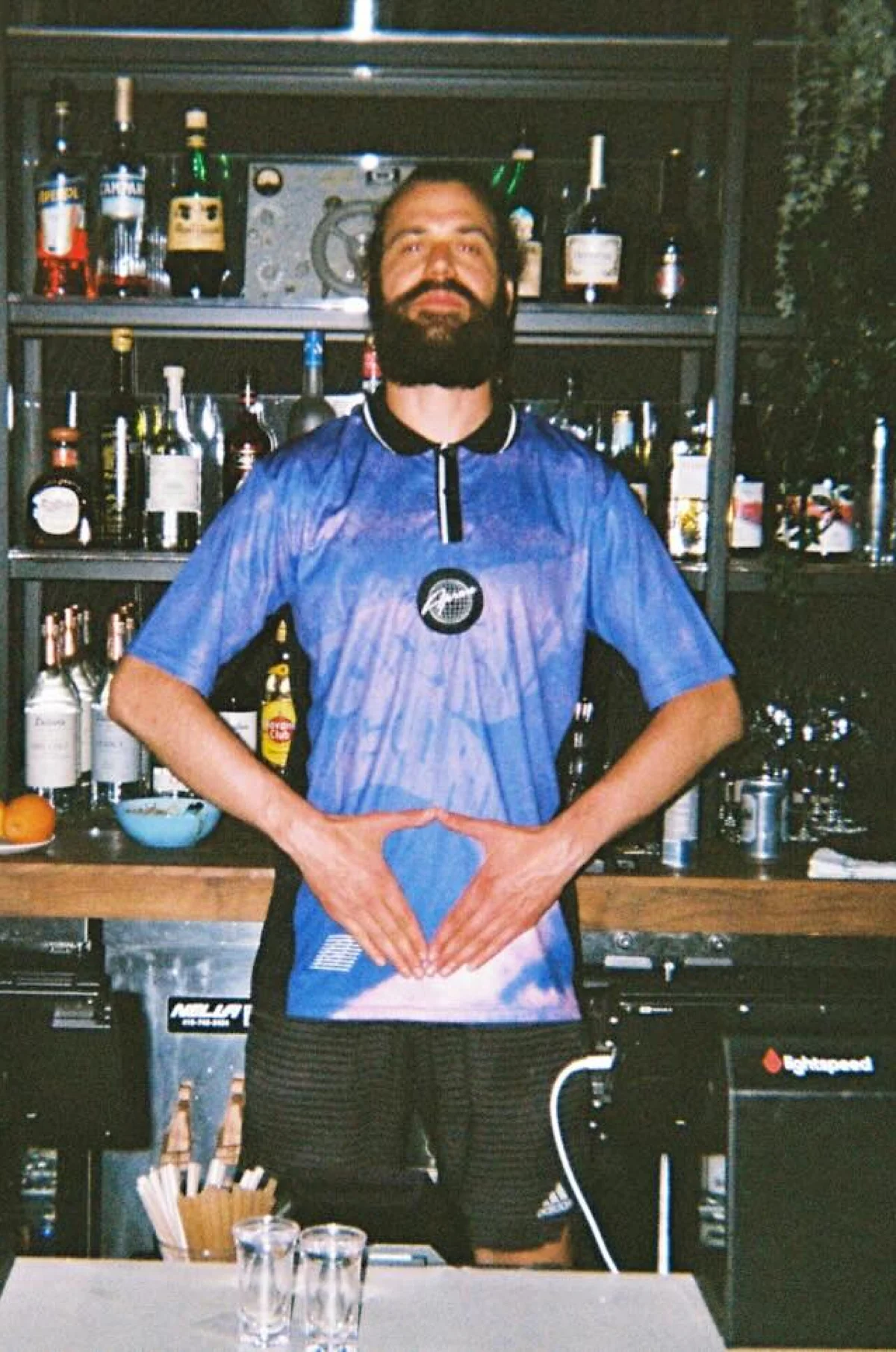
With an enviable mane and a steady pair of hands, Ludo’s presence behind the decks is a relief to any partygoer. A staple fixture on the Toronto DJ scene, Ludo is one half of the duo Immigrant Muscle and a resident DJ at venues such as Goodnight Cocktail Club and 416 Snackbar. He embodies the ethos of a collector and selector, playing the best tunes for the best people in the best environments.
How would you describe your own musical taste?
⎯⎯⎯ It's such a difficult question to answer. I've had many opportunities to think about it, but at the same time, I don't think there is a definitive answer. To sum it all up, it's a distillation of everything that I'm into and that I like to listen to. Truthfully, I feel like there's always a time and place for certain things. I think one of the things that really took me into different places, especially when it came to the music that I like to listen to and the music that I like to present to people, was during COVID, when life slowed down a lot. The idea of playing what I would describe in air quotes as club music or something for that type of environment, the need for that and the desire for that wasn't there anymore. It pushed me into different directions in terms of listening to more ambient, more downtempo stuff. I feel like the human experience is one that can be so drastic. To stick within certain confines, at least for me, doesn't necessarily work. I like to get inspiration from everywhere when it comes to the music that I listen to and the music that I play out.
Can you talk a little bit about the different ways you discover music, both digitally and physically? There are platforms like YouTube, Bandcamp, and Discogs. How do these compare with visiting local record stores?
⎯⎯⎯ You could sort of describe each platform as a different superhero with a different superpower. Bandcamp is super good at connecting you with the global music community. They do a good job of having stuff that's reissued from the past, but the majority of music that you'll find is new. Whereas YouTube does this really interesting thing where it'll take you on these crazy wormholes of music discovery. I think the algorithm for YouTube is very, very good. And the fact that you're able to save it and make playlists is chef's kiss.
Local record stores serve such a unique purpose because they are reflections of the store owner's taste. Whatever they think people are – or should be – into, that's what they're going to focus on. Being a brick-and-mortar location, they go out or have people come to them, selling them records, selling them collections, and that is really interesting because it gives you a window into the local scene. It's almost like time travel for you to go back to a certain era, a certain time, a certain scene, and then be able to see what DJs were playing at that point. One of the most exciting things I think you can do when you're on vacation is to go to a record store for that reason, because you're able to find things that you would not find readily here in Toronto. If you were to find them online at Discogs or eBay, you'd obviously be paying through the teeth with shipping charges and all that. I don't think any one of them is better than the other. I think they all just serve their own purpose.
And you mentioned that before COVID, you were into club music. Is that your primary musical taste?
⎯⎯⎯ Well, I'm using club music pretty loosely. More four-on-the-floor, more house, more techno, some disco cuts as well, but primarily things that you would associate with party time. Some of the things that I delved into afterwards were the type of mix that you would put on when you’re on Wards Island at 3 p.m. on a Sunday afternoon. You're going in and out of the water just to keep cool, and there's a bunch of kids over there playing pop music, but you want to be in your own world. You just kind of put on some softer, groovy tunes. This inspired me to think about how an opening DJ set works when you're playing in a party setting. What can you get away with playing at the club? I think that it really expanded my horizons and my perceptions. It made me want to take more risks in that respect. I've always tried to incorporate as many of my influences and styles into the sets that I play. The DJs and the selectors that I respect the most are the ones who are able to do that. The ones who are really at the top of the game do that in a way where it's like, how did we get from there to here? Three songs ago, we were listening to a free jazz song, and now we're listening to funk; now it’s thumping techno. It's the ability to tell a unique story and weave all these different things together.
Let’s talk about Immigrant Muscle. Can you describe what it is and how it started?
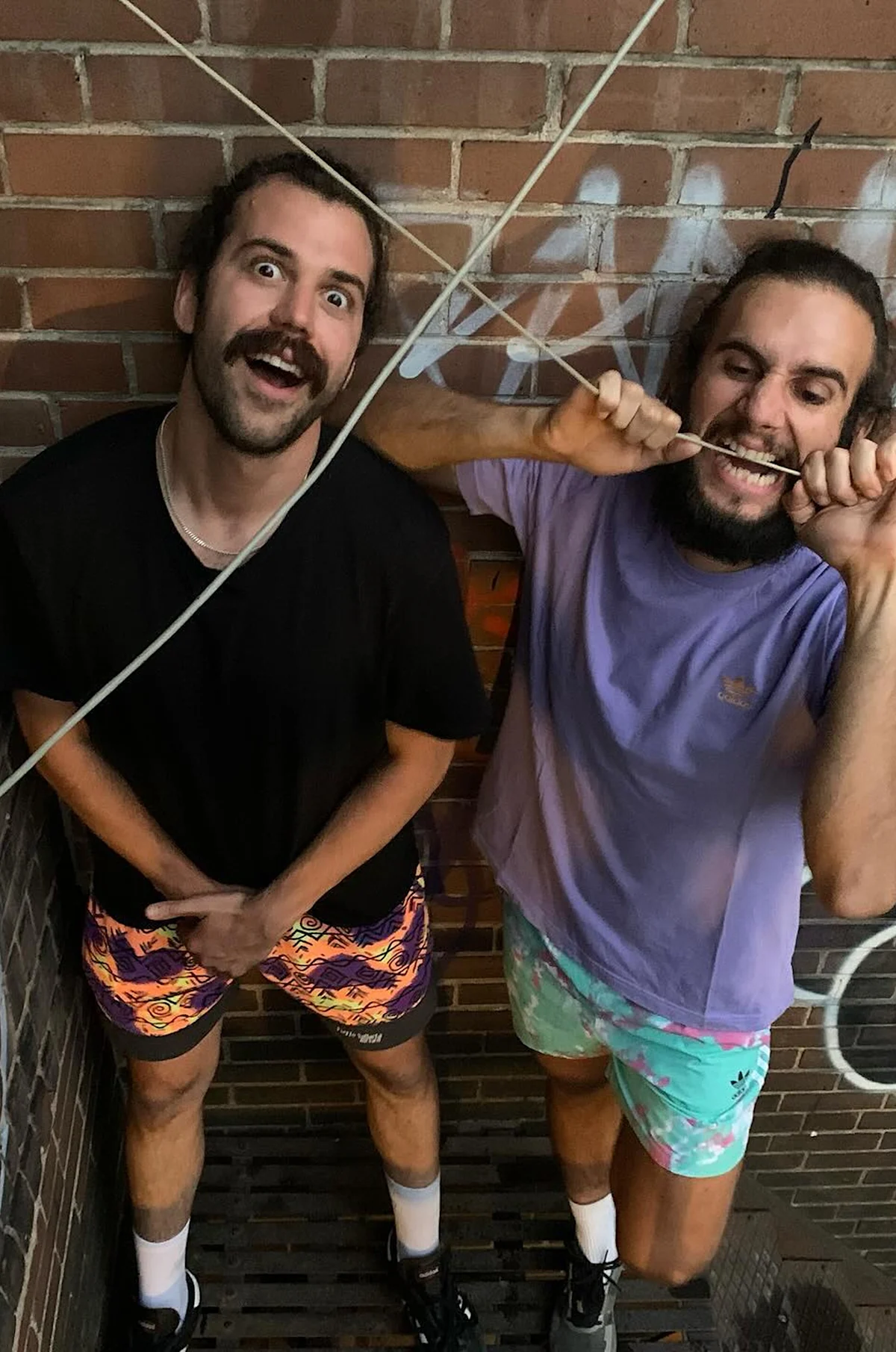
⎯⎯⎯ One of my closest friends, Alex, and I came up around the same time. We started going out to the same parties together, and then we started DJing bars together. We wanted to play at some of the major venues, but obviously the line of people who want to play at these venues is very, very long, and it's difficult to break into. You kind of have to go off and do your thing, and then people take note of that, and then they want to bring you in. We just wanted to throw good parties for our friends and for other people.
When was this?
⎯⎯⎯ This would have been like 2015, 2016. We decided to get involved with some DIY party scenes, just because there weren't a lot of venue spaces that were doing what we liked in the city. We also had a desire to go a little bit later into the night, which wasn’t something that you could really do. Alex and I had a lot of similarities in the stuff that we played; we also did some different things that complemented each other. There was a really nice push and pull between us when we were playing. We decided we needed to do our own thing, so we started doing DIY events, and some people took notice, and it just snowballed from there.
And then COVID happened, and everything came to a screeching, grinding halt. It changed a lot of things for a lot of people. For myself, I found the uncertainty of not knowing if we could go to parties with the community we built really sad and disheartening. It was depressing to think that something that gave you so much joy in your life would cease to exist or be so unrecognizable. It was difficult to wrestle with this fact and the impact on DJs and people in the community when it came to presenting music to people. Once we came back, Alex’s focus had shifted to a couple of other things, such as his career. He wasn’t necessarily thinking in terms of when the next party was. Frankly, there was a bit of burnout before COVID happened. We had been doing a lot of things 6 to 8 months before COVID. It was really ironic because we turned to each other and were like, “Six-week break? Sounds great!”
It was a little longer than that.
⎯⎯⎯ We’ll take a beat, you know. We’ll start meditating, and we’ll be back stronger than ever. Then six weeks turned into sixteen months…
At the time of this recording, you two are playing a show together again tonight. Is this kind of a reunion?
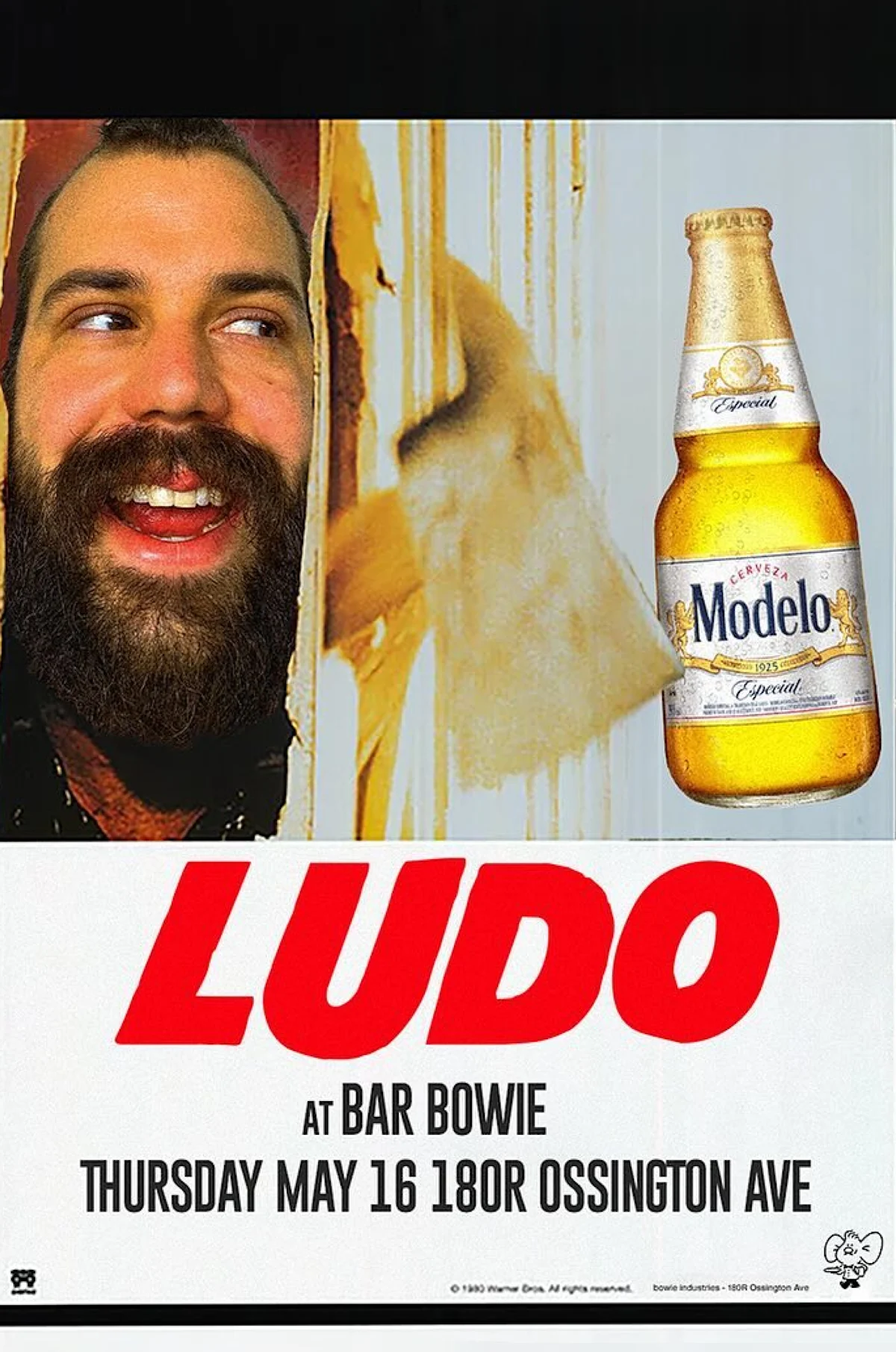
⎯⎯⎯ We’ve played together from time to time. I’m really active these days, trying to play out more regularly, whether it’s gigs at more sit-down venues like 416 Snackbar, Goodnight Cocktail Club, Bar Bowie, or more dancing venues like 915 Dupont, Standard Time, or Bambi’s. A lot of these gigs might not work well with his schedule, so we try and pick and choose certain times and places to do things together. Last year we did Electric Island together, which was something we had wanted to do ever since it started.
It feels like there’s been an increase in venues where it’s about listening to really good music on a really good system. Since you've been in the Toronto music scene for such a long time and seen it develop and evolve, I’m wondering what you think of these venues, which have become so popular?
I think it's really awesome that we have a lot of these spaces because, again, there's probably a whole host of DJs who, like myself, listen to a little bit of everything. A lot of times, there's music that you can't exactly play in a club, but that you'd like to play in a 915 on a sunny Sunday afternoon at 1PM where everyone's sipping a warm coffee. Or it might be a blustery winter day outside, and so you put on a Brazilian record, and everyone feels like they're kind of on vacation. It transports them to a different place. The fact that there's places like that where people are able to play the more fringe elements of their collections and present it to people, those are the things that I think are really important. Those environments are also really special because there aren't a lot of things that are trying to occupy your senses. You have an amazing sound, you have an amazing beverage, and maybe you're in the company of another person, but you don't think about it in a club space where it's an overwhelming volume of music, lights, people –
Substances.
⎯⎯⎯ All kinds of things like that. It can definitely be overwhelming. Don't get me wrong, I'm not saying anything against clubs. I love clubs. I love going out. I love dancing. I love the energy of that type of room as well. I think it's nice that we have a balance of both.
You've also been involved with Sounds Good at the corner of College and Lansdowne?
⎯⎯⎯ Yes, I was involved with Sounds Good. They actually closed in February.
That's really sad. It is a weird location, but it was a cool thing for that spot.
⎯⎯⎯ Exactly. Yeah. The location definitely had something to do with it. You definitely can categorize that as like a destination location at that point, right? Because you had to go to it. It's not on the beaten path, like a Bambi's. So it's a little bit different in that respect.
It's really hard to say with the city because I feel like everybody wants a little bit more, but then with things like that, the ecosystem isn't able to support it. Or, maybe there are other factors in play, like our beautiful city not making opportunities for people to do something like that. We're seeing this all across the city with all kinds of venues, and it's really disheartening. At the end of the day, it's sad because I think nightlife, music venues and arts and culture are the most important part of any global city. And Toronto has a very, very, very unique and interesting story to tell. I think we should be telling it, especially with the influx of tourism and so much more of a spotlight on our city now than ever before. Our story isn’t condos, big box shops, vape stores, and dispensaries. That's not Toronto's story.
Very well said. I wanted to talk a bit about some of the more technical aspects of DJing. For example, with Immigrant Muscle, since there are two of you, do you have a set already worked out, or is it more spontaneous, like a conversation?
⎯⎯⎯ It’s really interesting. In my early days of DJing, when I was in my early 20s, it was very much sticking to the script. These songs go well together, and this transition goes well at this point in time. And while that is definitely something to make note of, it's also really important to recognize you’re in a constantly changing space. You don't know who's going to be there when you show up. You don't know what people are going to react to. So, the ability to pivot is very, very important. When it comes to DJing digitally, where you're able to bring a lot more with you, you have so many options available versus playing with records, where you’ve got to work it out in advance. You have to say, like, this is where I would like to start, and this is where I would like to go. I'm going to bring stuff within these parameters. A lot of the time, you get there, and then you're just like, oh snap, the way I wanted to start is not the way I want to start anymore. When I did On The Way in April, I was playing back-to-back with Ensoul. We had an idea of l where we wanted to start, and then when we got there, looked around, and heard what the opening DJ, Sakiko, was doing, we were just like, I don't think we should go back to that. It's going to disrupt the energy and the flow. So we had to regroup and start and end somewhere different. You can't go into a space and be so incredibly rigid about what you're going to do. You have to be malleable.
You mentioned earlier the storytelling element of DJing. Even when you have to work it out on the fly, do you still have an idea of the story you want to tell, or the journey you want to take the audience on? And what does that look like?
⎯⎯⎯ It really depends. If you have an opening slot, you've got to build energy, build momentum. You've got to bring people along. If you're playing peak time, you've got to go in there and be like Usain Bolt out of the blocks, you know? So it really, really depends. It's so situationally unique. That's why no two sets will ever be the same. No two parties will ever be the same. Everything about it will be unique. It really depends on what you think is the right thing for the moment. The people who are the best at this are the best at precisely that. They might not be the most technical DJs, but they know exactly what needs to be played at that moment. And sometimes the crowd doesn't even know what needs to be played at that moment. But they hear it, and their reaction is one where it's like, ah, yes, this is what this moment needs.
Can you describe what that is? Or is it just some unseen, invisible energy?
⎯⎯⎯ It's like alchemy. I don't even know how to describe it. It's like you're performing a spell.
Magic.
⎯⎯⎯ Literally. And if you watch the best of the best at this, they do it effortlessly, or it seems effortless to us. But the reason it seems effortless is that they've been there so many times. They're in their 40s, their 50s, and they've played to people for 35 years. They've seen crowds from all walks of life at all times of day in all different kinds of places. So for them, it's like they're kind of tapping into these little pockets, and it just gets under the skin of people and brings them all together into that space.
I feel like the DJ almost becomes invisible. They say that about good design, that the designer becomes invisible. Maybe it’s the same with good DJ sets. It doesn’t matter what is happening around you; all you are focused on is the unified energy of everybody together.
⎯⎯⎯ I'll give you a prime example. Let's say you had a really, really, really good party. Go back in your memory and think of all of the good ones you've been to. Was everyone hyper-focused and fixated on the DJ? No, at the best parties you've ever been to, you look to your left, you look to your right, you exchange a smile, you exchange a glance. It's nonverbal. You're sharing that joy with everyone around you. That's the thing that I'm chasing: to be able to facilitate that for people. Because at the end of the day, I'm playing other people's music. I have no delusions of grandeur about what I'm doing. Hopefully, I'm able to present it in a way that allows for these moments to take place at some point. Even if it's just once or twice.
Beautiful. So, what kind of stuff are you looking forward to this summer?
⎯⎯⎯ I have a couple of residencies here in the city. Every Thursday at Goodnight Cocktail Club. A couple other monthlies here and there. Otherwise, I don't really have too many bigger parties locked down. I'm doing a couple of weddings this summer, though.
Hey, that's cool!
⎯⎯⎯ Yeah, which interestingly enough has come about through friends, and friends of friends. I think everyone is trying to shed the traditional wedding experience. Nobody wants that level of corniness. A part of that is also the music. Some people have reached out to me who have either been to parties of mine or whose friends have recommended me. Which I'm super grateful for. Ten years ago, I would have said absolutely no, no go. I would never do that. But it's a very good challenge as a DJ to play for such a wide array of people. You don't really get that for your usual parties. Like if I were to play Bambi’s, I'm not going to be playing for a 60-year-old married couple from Poland. I doubt that's going to be happening. So it really challenges you in certain ways to see how you can connect all of these different people with music in this very unique setting. So, I have a couple of those to look forward to. One is actually going to be in Malta, which I'm super, super excited about.
Do you have a secret weapon for weddings, or a different approach?
⎯⎯⎯ One of the overarching themes of all the music that I like to play has something to do with love. I think it's the most beautiful emotion humans can experience. So with respect to that, I'm playing a lot of music that is an expression or celebration of love. Which is what a wedding is, right? So, I do have some secret weapons, but I don't know if they're really secret weapons per se. I think there are a lot of songs from major artists that we consider pop, because of how big they were, but they are just so good and never get old. You can't play them at certain parties because you will be seen as corny, but the truth of the matter is, these things just work. They work for everybody. Tell me who doesn't like Sade. Find me a person. If they have two ears and a heart, they love Sade.
– East Room is a shared workspace company providing design-forward office solutions, authentic programming and a diverse community to established companies and enterprising freelancers. We explore art, design, music, and entrepreneurship. Visit our News & Stories page to read more.

